

What Is an Ectopic Pregnancy?
Early pregnancy can come with uncertainty, especially when symptoms don’t match expectations. Pelvic pain, abnormal bleeding, or dizziness after a positive pregnancy test can be alarming and for good reason. While many early pregnancy symptoms are harmless, some require prompt evaluation.
One condition that must be ruled out early is ectopic pregnancy. Although it occurs in a small percentage of pregnancies, it can become medically dangerous if not identified and treated in time. Understanding what an ectopic pregnancy is, how it presents, and why ultrasounds play a critical role can help protect your health.
Important safety note: Severe abdominal pain, heavy vaginal bleeding, fainting, shoulder pain, or extreme dizziness may indicate a medical emergency. If these symptoms occur, seek emergency care immediately.
An Ectopic Pregnancy Is…
An ectopic pregnancy occurs when a fertilized egg implants outside the uterine cavity rather than inside it. In more than 90% of cases, implantation occurs in a fallopian tube, though ectopic pregnancies can also occur in the cervix, ovary, or abdominal cavity.
The uterus is uniquely designed to expand and support a growing pregnancy. Other structures are not. As the pregnancy grows in an abnormal location, the surrounding tissue can rupture, leading to internal bleeding. This bleeding can progress rapidly and become life-threatening if not treated.
An ectopic pregnancy cannot result in a viable birth, and early diagnosis is essential to reduce complications. It is important to emphasize that ectopic pregnancy is not caused by patient behavior. Many individuals diagnosed with ectopic pregnancy have no identifiable risk factors.

Why Symptoms Are Often Misinterpreted Early On
Early ectopic pregnancy symptoms frequently overlap with normal early pregnancy changes or common conditions such as gastrointestinal illness, urinary tract infection, or menstrual irregularities. Because of this, ectopic pregnancies may initially go unrecognized.
Some individuals experience no symptoms at all during the earliest stages. Others may notice mild pelvic discomfort or spotting and assume it is part of normal implantation bleeding. As a result, diagnosis may be delayed unless imaging or laboratory testing is performed.
Symptoms that may occur include abnormal vaginal bleeding, unilateral pelvic or lower abdominal pain, intermittent cramping, pain during urination or bowel movements, or generalized weakness and dizziness. These symptoms become more concerning when they occur together or worsen over time.
Symptoms That Require Immediate Medical Evaluation
As an ectopic pregnancy progresses, the risk of rupture increases. A ruptured ectopic pregnancy can cause rapid internal hemorrhage and requires emergency medical treatment.
Symptoms that warrant immediate emergency care include severe or worsening abdominal or pelvic pain, heavy vaginal bleeding, fainting or near-fainting episodes, and sudden sharp pain that does not resolve. Shoulder-tip pain, which may feel unrelated to the abdomen, is a significant warning sign and can indicate internal bleeding irritating the diaphragm.
Prompt medical evaluation is needed in these cases. Delaying care can significantly increase the risk of serious complications.

Why Pregnancy Tests Alone Are Not Enough
Pregnancy tests detect the presence of human chorionic gonadotropin (hCG), a hormone produced during pregnancy. While this confirms that pregnancy hormones are present, it does not indicate the location of the pregnancy.
This limitation is critical. A positive pregnancy test cannot distinguish between a healthy intrauterine pregnancy and an ectopic pregnancy. For this reason, imaging and follow-up evaluation are often necessary, particularly when symptoms are present.
Using Ultrasounds Early Pregnancy Evaluation
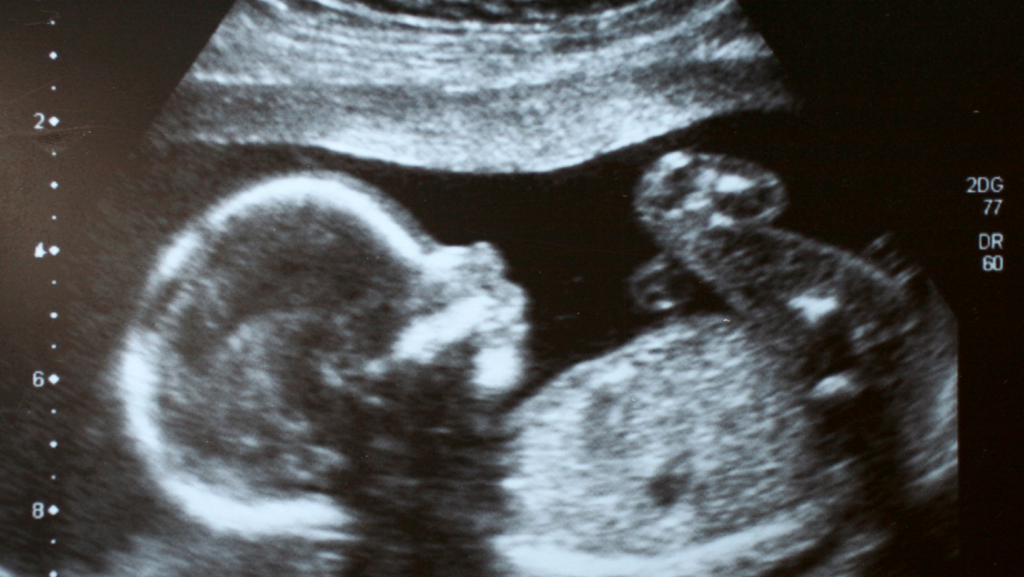
An ultrasound is one of the most important tools for evaluating early pregnancy. It allows healthcare providers to determine whether a pregnancy is developing inside the uterus and to assess for signs that suggest ectopic implantation.
In early pregnancy, ultrasound findings depend on gestational age. Very early pregnancies may not yet be visible, even when the pregnancy is normal. In these cases, repeat ultrasounds or serial blood tests measuring hCG levels may be recommended to monitor the pregnancy’s progression.
An ultrasound may help identify concerning findings such as an empty uterus when hCG levels are high enough that a pregnancy should be visible, or the presence of a mass or fluid that suggests internal bleeding. These findings guide medical decision-making and next steps.
Why Early Evaluation Improves Safety
Early identification of ectopic pregnancy allows for safer treatment options and reduces the risk of rupture. Even when an ectopic pregnancy is ruled out, early evaluation provides clarity and reassurance during a stressful time.
If you believe you may be pregnant and are experiencing pain, bleeding, or other concerning symptoms, seeking evaluation is a medically appropriate step, not an overreaction. Clear information enables timely care and improves outcomes.
How Heartbeat of Toledo Can Support You
Heartbeat of Toledo offers free, confidential pregnancy services designed to help individuals navigate early pregnancy concerns with clarity and support.
Services include free pregnancy testing and, when appropriate, free limited ultrasounds to confirm pregnancy and obtain early information. These services can assist in determining next steps and identifying when referral for medical care is needed.
It is important to note that limited ultrasounds are not a substitute for emergency care or full prenatal medical services. If symptoms suggest a possible ectopic pregnancy or rupture, immediate evaluation in an emergency setting is essential.
Taking the Next Step
Early pregnancy uncertainty can feel overwhelming, especially when symptoms raise questions about your health. You do not have to navigate that uncertainty alone.
If you think you may be pregnant and need confirmation, book a confidential visit with Heartbeat of Toledo. Early evaluation provides answers, protects your health, and helps you move forward with accurate information and support.