
Why Stable Housing Matters During Pregnancy and Early Motherhood
Safe housing can change the direction of a mother’s life — and her child’s.
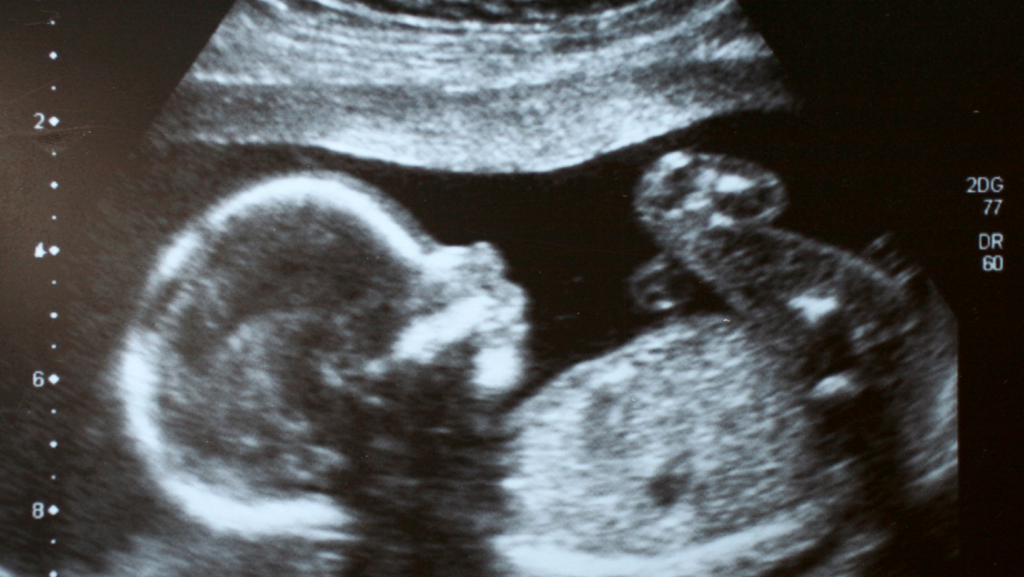
For more than 50 years, Heartbeat of Toledo has walked with women, men, and families facing pregnancy decisions. Since our founding in 1971, our work has grown from free pregnancy testing into a fuller network of support, including pregnancy testing, ultrasounds, parenting education, practical resources, and referrals through programs such as Your First Look Women’s Center and Heart to Heart Parenting Education.
Over those years, one need has become increasingly clear: some women do not need only information, encouragement, or supplies. They need a safe place to live.
Housing instability can turn pregnancy into a crisis. A mother may want to carry her child. She may want to parent. She may want to build a better future. But if she does not know where she will sleep, how she will recover after birth, or where her baby will be safe, fear can begin to make decisions for her.
That is the gap The Heartbeat House is being designed to fill.
The housing need in Toledo is real
Toledo’s housing challenges are not theoretical. The City of Toledo’s 2025–2029 Consolidated Plan identifies a shortage of 12,705 rental units for extremely low-income households and states that there are only 35 available units for every 100 low-income renters. The same plan projects that Toledo could lose 22% of its subsidized housing stock by 2031, further tightening an already strained housing environment.
For pregnant women and new mothers, that lack of housing is not just inconvenient. It can affect health, safety, prenatal care, postpartum recovery, and early childhood stability.
A maternity home is not the solution to every housing challenge. But stable housing, supportive relationships, and consistent connection to care can be part of the solution for mothers and babies during one of the most vulnerable seasons of life.
Housing instability affects pregnancy outcomes
Research increasingly confirms what service providers see every day: unstable housing during pregnancy is connected to worse outcomes for both mothers and babies. A 2021 systematic review published in American Journal of Obstetrics & Gynecology MFM found that housing instability and homelessness during pregnancy were significantly associated with preterm birth, low birthweight, neonatal intensive care unit admission, delivery complications, inadequate prenatal care, and increased hospital utilization.
That matters because a maternity home does more than offer a room. It creates stability during the exact window when stability matters most.
What stable housing makes possible
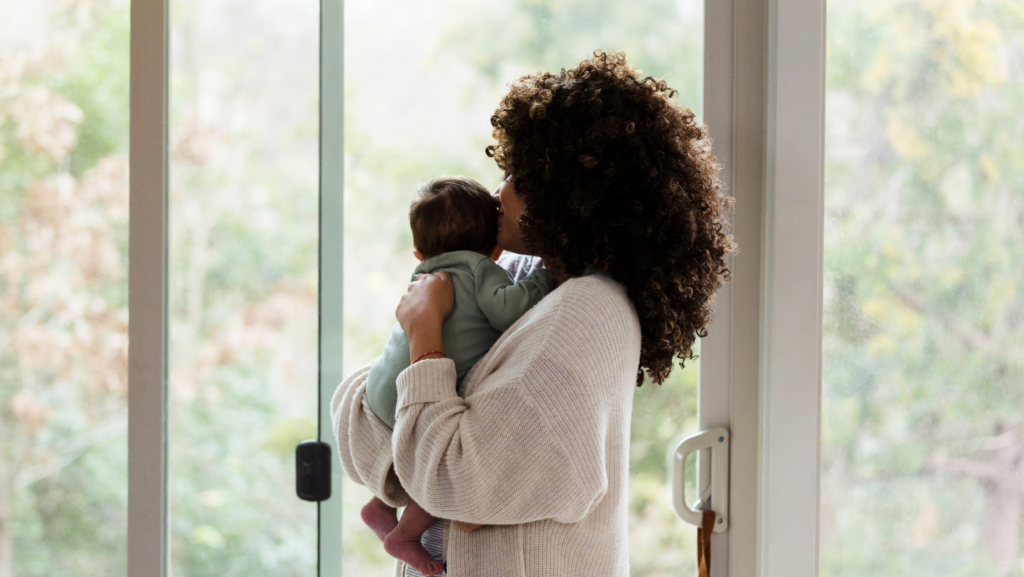
A mother with safe housing can keep appointments more consistently, sleep more securely, eat more regularly, recover after childbirth, bond with her baby, and begin building routines.
Why support matters
When housing is paired with mentoring, parenting education, life-skills support, and community referrals, it becomes more than temporary shelter. It becomes a foundation for long-term stability.
What maternity homes actually do
A maternity home is not simply “a place to stay.” The strongest maternity homes provide a structured, supportive environment where mothers can move from crisis toward stability.
A well-designed maternity home typically offers safe residential housing during pregnancy and early motherhood, a calm and dignified home environment, parenting education, infant-care preparation, life-skills support, connection to prenatal and pediatric care, mentorship, accountability, and planning for independent living after the program.
This is the model we are working to bring to Toledo: not an institution, not a medical facility, and not an emergency shelter, but a small residential home where mothers and infants can be safe, supported, and surrounded by practical help.
- Safe housing during pregnancy and early motherhood
- Parenting education and infant-care preparation
- Life-skills support, mentoring, and accountability
- Connection to healthcare providers and community resources
- A transition plan toward long-term independence
Programs like this are working in other communities
Toledo would not be starting from scratch. Across the country, maternity homes and housing-stability programs are already demonstrating why this kind of support matters.
The Maternity Housing Coalition’s 2024 Impact Report estimates there are 498 maternity homes in the United States, a 17% increase from 2022, with known maternity homes in 30 countries outside the United States. The report also states that Heartbeat-affiliated maternity homes serve approximately 1,206 women each year.
In Missouri, St. Raymond’s Society offers an example of a mature maternity-home model. Its homes in Jefferson City and Columbia provide rooms where women and their children can live while participating in a structured program for stability. Missouri has also recognized the public value of maternity homes through its Maternity Home Tax Credit, which helps fund qualified maternity homes that assist pregnant women in carrying their pregnancies to term.
A maternity home does not remove every challenge a mother faces. But it can remove one of the heaviest pressures: the fear of having nowhere safe to go.
Housing support has already shown promise in Ohio
Ohio has also seen encouraging evidence through Healthy Beginnings at Home, a housing-stability initiative that began in Columbus and connected pregnant women facing housing instability with rental assistance, housing navigation, case management, and healthcare coordination.
In that evaluation, 78% of infants in the intervention group were born full-term and at a healthy weight, compared with 55% in the control group. The report also found that average paid claims for infants at delivery were much lower in the intervention group — $4,175 compared with $21,521 in the control group — largely because of lower NICU utilization.
Healthy Beginnings at Home is not identical to a maternity home. It uses rental assistance and housing stabilization rather than a residential maternity-home model. But the lesson is deeply relevant: when pregnant women have stable housing and coordinated support, outcomes can improve.
Why this matters for women facing pregnancy decisions
When we say The Heartbeat House can help mothers choose life, we mean something practical.
We mean helping a woman who is afraid she will be homeless after delivery. We mean giving a mother a safe place to recover after childbirth. We mean helping her attend appointments, care for her baby, and build routines. We mean walking with her as she thinks about employment, education, transportation, childcare, and stable housing.
For many women, the question is not whether they love their child. The question is whether they can see a way forward. A maternity home helps create that way forward.
Why Heartbeat is the right organization to take this step
Heartbeat of Toledo is not new to this work. Since 1971, Heartbeat has served women and families through pregnancy-related support, parenting education, practical assistance, and referrals. The organization has grown to include staff, volunteers, medical services, parenting programs, and deeper community resource support.
The Heartbeat House is a natural extension of that mission. It is not a separate idea disconnected from what Heartbeat already does. It is the next layer of support for women whose pregnancy decisions and parenting journey are directly affected by housing instability.
Heartbeat already helps women understand their options. The Heartbeat House would help make one of those options more possible.
Building with care, not haste
We believe this work is too important to rush.
That is why we are approaching The Heartbeat House with careful planning, financial discipline, and a commitment to safety. We are studying successful models in other states. We are learning from organizations already operating maternity homes. We are reviewing zoning, insurance, staffing, operations, budgeting, training, and long-term sustainability.
We are asking practical questions now so that when the home opens, it is safe, stable, and worthy of the women and infants it will serve.
Our goal is not simply to open a house.
Our goal is to build a home that works — one where a mother can be safe, a baby can begin life with stability, and fear is met with support.
Learn more about the project
Visit The Heartbeat House page or read more about Heartbeat’s services for women and families.
Help bring safe housing and hope to Toledo mothers
The Heartbeat House is a practical, compassionate response to a real need in our community. Your support helps create a safe, stable place where mothers and babies can begin their next chapter with dignity and hope.